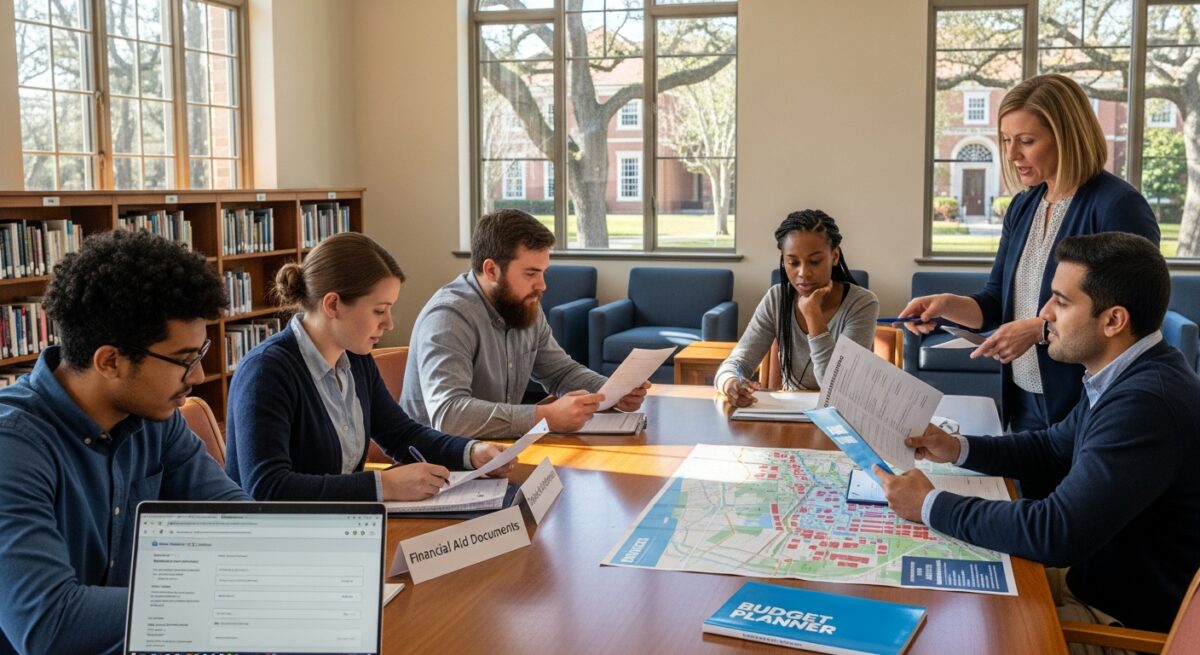
Higher education in Arizona has undergone a remarkable transformation. No longer do you need to relocate to Tempe, Tucson, or Flagstaff to earn a respected degree. Arizona colleges with distance learning options now serve thousands of students who balance careers, families, and military service. The shift toward flexible online programs has opened doors for working adults, rural residents, and out-of-state learners who want an Arizona education without leaving home. Whether you seek an associate degree, a bachelor’s completion program, or a graduate certificate, the Grand Canyon State offers accredited pathways that fit your life.
Why Choose an Online Degree From an Arizona Institution?
Arizona has invested heavily in digital infrastructure and instructional design. Public universities, community colleges, and private nonprofit schools have built robust online platforms that rival their on-campus counterparts. Students gain access to the same faculty, the same curriculum, and the same diploma. The flexibility allows you to study at midnight after a shift, pause coursework during a busy season, and accelerate when you have extra bandwidth.
Cost savings also matter. Online students often avoid housing fees, parking permits, and campus meal plans. Many Arizona schools offer in-state tuition for online learners regardless of physical residence. This policy makes programs more affordable for military families stationed overseas or snowbirds splitting time between states. Additionally, you can continue working full-time while earning your degree, reducing the need for student loans.
For more context on how online learning fits into the broader landscape of accredited education, our guide on college distance learning options explains how to evaluate program quality and accreditation standards.
Major Public Universities Offering Distance Programs
Arizona State University (ASU) Online
Arizona State University operates one of the largest and most respected online programs in the nation. ASU Online offers more than 200 undergraduate and graduate degrees across fields such as business, engineering, nursing, education, and liberal arts. Courses are taught by the same faculty who teach on campus, and students receive the same transcript and diploma. ASU uses an adaptive learning platform that personalizes instruction based on your progress.
Admission is competitive but accessible. ASU evaluates applicants holistically, considering GPA, test scores, and life experience. Transfer students can bring in credits from community colleges, and ASU maintains articulation agreements with all Arizona community colleges. Financial aid, scholarships, and military benefits apply equally to online students.
University of Arizona Global Campus and Main Campus Online
The University of Arizona offers two distinct online pathways. The main campus in Tucson provides individual online courses and fully online degree programs in areas like cybersecurity, public health, and business administration. Meanwhile, the University of Arizona Global Campus (UAGC) is a separate online institution designed specifically for adult learners. UAGC offers accelerated five-week courses, multiple start dates per year, and dedicated student support coaches. Programs include associate, bachelor’s, master’s, and doctoral degrees.
UAGC is particularly strong for working professionals who need maximum scheduling flexibility. The competency-based options allow you to move quickly through material you already know. Both the main campus online and UAGC are regionally accredited by the Higher Learning Commission.
Northern Arizona University (NAU) Online
Northern Arizona University has built a reputation for personalized online education. NAU Online offers more than 90 degree programs, including bachelor’s completion programs designed for transfer students. The Personalized Learning model is a standout feature: you pay a flat subscription fee per six-month term and complete as many competencies as you can. This approach can dramatically reduce tuition costs for motivated learners.
NAU also excels in teacher preparation, health sciences, and criminal justice. Students receive a dedicated success coach who helps with course selection, time management, and career planning. The university’s commitment to Indigenous communities is reflected in programs tailored for Native American students and tribal educators.
Community Colleges With Robust Distance Learning
Arizona’s community college system offers affordable entry points into higher education. Many students begin at a community college and transfer to a university for their junior and senior years. Distance learning options at these colleges are extensive.
Maricopa County Community College District (MCCCD)
The Maricopa County Community College District is one of the largest in the country, serving the Phoenix metropolitan area. Ten colleges within the district offer online associate degrees and certificates in fields like accounting, computer science, digital arts, and nursing prerequisites. MCCCD uses Canvas as its learning management system, providing a consistent experience across colleges.
Students can earn an Associate of Arts or Associate of Science entirely online and transfer seamlessly to ASU, NAU, or the University of Arizona through the Arizona General Education Curriculum (AGEC). The district also offers stackable certificates that build toward a degree, allowing you to earn credentials along the way.
Pima Community College (Tucson)
Pima Community College serves the Tucson area with a wide array of online courses and fully online degree programs. Popular online pathways include business administration, early childhood education, and liberal arts. Pima also offers online certificates in cybersecurity, medical coding, and project management. The college’s partnership with the University of Arizona ensures smooth transfer for students who complete an associate degree.
Other Community College Districts
Eastern Arizona College, Cochise College, and Yavapai College all provide distance learning options. These rural-serving institutions understand the needs of students who live far from campus. Online offerings include general education courses, career and technical certificates, and associate degrees. Many of these colleges offer reduced tuition for out-of-state online students.
Private and Nonprofit Options
Arizona is also home to private universities with strong online programs. Grand Canyon University (GCU), based in Phoenix, offers a large selection of online bachelor’s, master’s, and doctoral degrees. GCU emphasizes a Christian worldview and provides robust student support services including tutoring, library access, and career counseling. The university is regionally accredited and has grown into one of the largest online educators in the country.
Prescott College, a small private liberal arts school, offers limited online graduate programs in education, counseling, and environmental studies. Embry-Riddle Aeronautical University, with a campus in Prescott, provides online degrees in aviation, engineering, and security studies. These specialized programs attract students with specific career goals.
Key Factors to Consider When Choosing a Program
Before enrolling, evaluate each program against your personal and professional needs. Here are critical factors to weigh:
- Accreditation: Ensure the school is regionally accredited by a recognized agency. Regional accreditation matters for transfer credits, financial aid, and employer recognition.
- Program format: Some programs are fully asynchronous (no set class times), while others require live sessions. Match the format to your schedule and learning style.
- Tuition and fees: Compare total cost including technology fees, course materials, and any out-of-state surcharges. Look for flat-rate tuition options.
- Student support: Check for online tutoring, career services, academic advising, and technical support. Good support makes a difference in completion rates.
- Transfer policies: If you plan to transfer, confirm that credits will apply to your intended degree. Use transfer equivalency tools provided by the university.
Each of these factors can significantly impact your experience. A program that looks cheap on paper may lack the support services you need to succeed. Conversely, a slightly more expensive program with strong advising and career placement may save you money in the long run by helping you graduate faster.
How to Apply for Financial Aid and Scholarships
Online students at Arizona colleges are eligible for federal financial aid, including Pell Grants, student loans, and work-study programs. Start by completing the Free Application for Federal Student Aid (FAFSA). Use the school’s federal code to ensure your application is sent to the correct institution.
Many Arizona schools offer dedicated scholarships for online learners. For example, ASU Online has a scholarship search tool that filters by degree level and field of study. NAU offers the Online Access Grant for students who demonstrate financial need. Community colleges often have foundation scholarships that do not require separate applications. Military-connected students should explore tuition assistance programs and the Post-9/11 GI Bill, which many Arizona schools accept.
For those exploring how to maximize their educational investment, degree pathways for students offers additional resources on comparing costs and outcomes across different institutions.
Frequently Asked Questions
Can I get in-state tuition as an out-of-state online student?
Many Arizona public universities offer a single tuition rate for online students regardless of residency. ASU Online, NAU Online, and the University of Arizona’s online programs typically charge the same rate for all U.S. residents. Some programs also extend this rate to international students. Always confirm the tuition policy on the program’s website.
Are online degrees from Arizona colleges respected by employers?
Yes, when the institution is regionally accredited. Employers and graduate schools treat the diploma the same as an on-campus degree. The transcript does not indicate whether courses were taken online. Many Arizona schools hold specialized accreditation for specific programs, such as AACSB for business or ABET for engineering, which adds further credibility.
How long does it take to complete an online bachelor’s degree?
For a full-time student with transfer credits, a bachelor’s degree typically takes two to four years. Part-time students may take longer. Accelerated programs like NAU’s Personalized Learning or UAGC’s five-week courses can shorten the timeline. Most programs allow up to seven years to complete a degree.
What technology do I need for online classes?
You need a reliable internet connection, a computer (Windows or Mac), and a webcam for proctored exams. Some programs require specific software such as SPSS for statistics or AutoCAD for design. Most schools provide a technology checklist before enrollment. Basic technical support is available through the school’s IT help desk.
Can I transfer credits from another college?
Yes. Arizona public universities accept transfer credits from regionally accredited institutions. The Arizona General Education Curriculum (AGEC) ensures that community college credits transfer seamlessly to any public university in the state. Private schools have their own transfer policies. Request a preliminary credit evaluation before applying.
Start Your Journey Today
Arizona colleges with distance learning options have lowered barriers to higher education. Whether you choose a large research university, a community college, or a private institution, you can earn a respected degree without relocating or quitting your job. The key is to research thoroughly, compare costs and support services, and select a program that aligns with your career goals. Begin by visiting the websites of the schools that interest you, requesting information, and speaking with an admissions counselor. Your future is just a click away.
For a broader look at how long-distance learning works across different fields, our article on long-distance learning courses covers strategies for staying motivated and organized in a virtual classroom.
About the Author: Olivia Martin