
Beckfield College-Florence RN Associate's Degree: 2-Year Path
The Registered Nursing/Registered Nurse Associate's degree at Beckfield College-Florence is a two-year, in-person path to RN licensure. See costs and outcomes.

By James Taylor
If you want to become a registered nurse without committing to a four-year bachelor's program, an Associate's degree in Registered Nursing can get you into the workforce faster and at a lower cost. At Beckfield College-Florence, the Registered Nursing/Registered Nurse Associate's degree is typically a two-year, in-person program designed to prepare students for the NCLEX-RN licensure exam and entry-level nursing practice. This article breaks down the program structure, admissions, costs, career outcomes, and financial aid options so you can decide whether this path fits your goals.
What the Registered Nursing Associate's Degree at Beckfield College-Florence Covers
The Registered Nursing/Registered Nurse Associate's degree at Beckfield College-Florence is a two-year, campus-based program that blends general education coursework with clinical nursing training. Students take classes in anatomy, physiology, microbiology, pharmacology, and nursing fundamentals, then move into supervised clinical rotations in hospitals, clinics, and community settings. The curriculum is built around the competencies required for RN licensure, including patient assessment, medication administration, care planning, and communication with interdisciplinary teams.
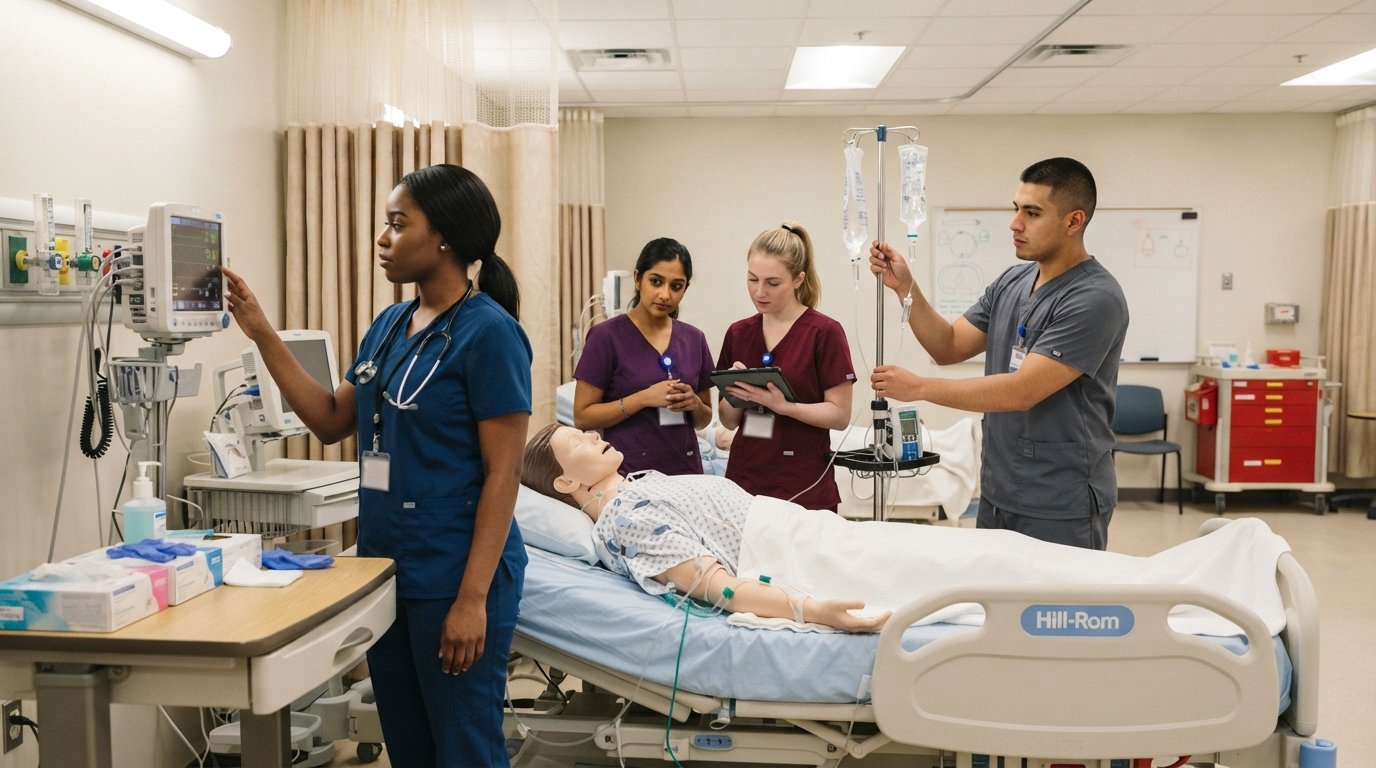
Because the program is in-person, students get hands-on practice in simulation labs and direct patient care experiences that online programs cannot fully replicate. That face-to-face format is especially valuable for learners who benefit from immediate instructor feedback and structured daily schedules. The Florence campus setting also means students can build local professional networks during clinical placements, which often leads to job offers before graduation.
Compared with a Bachelor of Science in Nursing (BSN), the associate's path is shorter and less expensive upfront. However, many employers now prefer or require a BSN, so students should consider whether they plan to pursue an RN-to-BSN bridge later. The good news is that an associate's degree provides a solid foundation and a faster route to earning an income while continuing education on a part-time basis.
Admissions Requirements and How to Apply
Admission to the nursing program at Beckfield College-Florence is competitive and typically requires a high school diploma or GED, satisfactory scores on an entrance assessment, and completion of prerequisite courses in math, English, and the sciences. Applicants may also need to submit transcripts, attend an interview, and pass a background check before clinical placements. Because requirements can change, prospective students should confirm current criteria directly with the admissions office.
The application process generally follows a sequence that helps students prepare academically and financially before the program starts. Here is a practical overview of the steps most applicants complete:
- Request information from the college and meet with an admissions advisor to review program details and timelines.
- Submit official high school and college transcripts, along with any required test scores.
- Complete prerequisite courses if you have not already done so, and maintain the minimum GPA the program requires.
- File the Free Application for Federal Student Aid (FAFSA) to determine eligibility for grants and loans.
- Complete enrollment paperwork, health requirements, and background checks before clinical rotations begin.
Applicants should start the process early because nursing cohorts often fill months in advance. Asking about waitlists, transfer credit policies, and credit-by-exam options can save both time and tuition. It also helps to discuss clinical scheduling with family or employers, since in-person clinical hours can vary by rotation.
Cost, Financial Aid, and Return on Investment
Tuition for a two-year nursing associate's degree varies by institution, and Beckfield College-Florence publishes current rates on its website. Beyond tuition, students should budget for lab fees, uniforms, stethoscopes, background checks, immunizations, transportation to clinical sites, and NCLEX-RN exam fees. These ancillary costs can add up, so a realistic total cost estimate matters more than the sticker tuition price alone.
Financial aid options for nursing students typically include federal Pell Grants, Direct Subsidized and Unsubsidized Loans, state grants, institutional scholarships, and employer tuition assistance for working adults. The FAFSA is the starting point for most aid, and filing early can improve access to limited grant funds. Students should also ask about payment plans, which spread tuition across the term and reduce the need for large upfront payments.
To evaluate return on investment, compare total program cost with local RN salaries. According to the Bureau of Labor Statistics, registered nurses earned a median annual wage of about $86,070 in May 2023, with demand expected to grow faster than average through the decade. Even after accounting for tuition and living expenses, an associate's degree in nursing often pays for itself within a few years of full-time work. Students who plan to pursue a BSN later should factor in that additional cost, but many employers offer tuition reimbursement that offsets it.
For readers comparing program costs across institutions, our guide on the Mathematics Associate's Degree at Dodge City CC illustrates how two-year degree costs and structures can differ, which is useful context when weighing nursing programs against other associate's options.
Career Outcomes and Licensure
Graduates of the Registered Nursing/Registered Nurse Associate's degree at Beckfield College-Florence are eligible to sit for the NCLEX-RN exam. Passing that exam and meeting state board requirements leads to RN licensure. Licensed RNs work in hospitals, long-term care facilities, outpatient clinics, home health agencies, schools, and public health departments. Common entry-level roles include staff nurse, medical-surgical nurse, and charge nurse in smaller facilities.
Career advancement often depends on experience and additional credentials. Nurses can pursue certifications in specialties such as critical care, emergency nursing, or gerontology, and many return for a BSN or advanced practice degree later. The associate's degree is a practical entry point for adults who need to start earning quickly, and it can serve as a stepping stone rather than a final destination.
Job prospects vary by region, but nursing remains one of the most stable healthcare careers in the United States. Students should research local hospital hiring preferences, because some systems strongly favor BSN-prepared nurses even for entry-level roles. Understanding those preferences before enrolling helps avoid surprises during the job search.
Is the Two-Year, In-Person Format Right for You?
The in-person format at Beckfield College-Florence suits students who thrive with structured schedules, hands-on learning, and direct access to instructors. It is less ideal for people who need maximum flexibility because of work or family obligations, since clinical rotations and labs require physical attendance. Prospective students should honestly assess their availability, transportation, and support systems before committing.
As you plan your education and career path, resources that explain how different occupations are structured can help. Careers.org offers occupation profiles that describe typical duties, training routes, and work settings for nursing and other healthcare roles, which can complement what you learn from college advisors.
If flexibility is a priority, compare this program with hybrid or online options, but keep in mind that hands-on clinical training is essential for nursing licensure. Many students find that a two-year, in-person program provides the discipline and mentorship they need to succeed on the NCLEX-RN and in their first nursing job. Visiting campus, speaking with current students, and reviewing NCLEX pass rates are smart final steps before enrolling.
Choosing a nursing program is a financial and personal decision. The Registered Nursing/Registered Nurse Associate's degree at Beckfield College-Florence offers a focused, two-year route into a high-demand profession, provided students plan for costs, licensure, and long-term career goals. With careful research and early financial aid planning, this path can lead to a stable and rewarding nursing career.