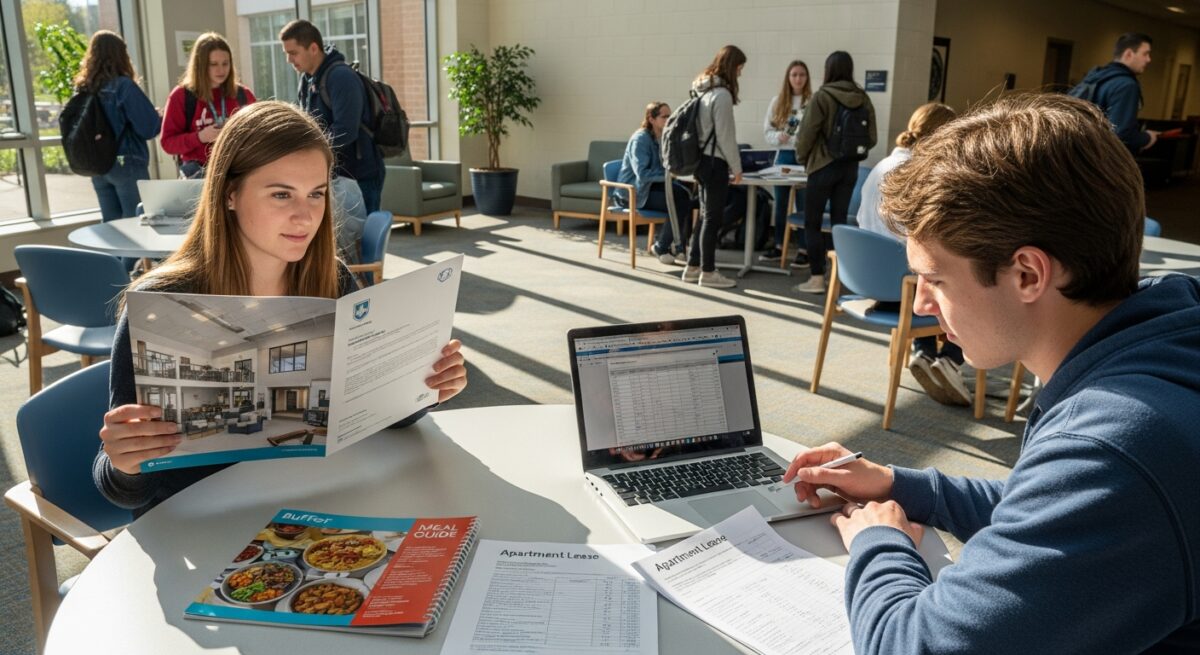
Planning for college in Georgia requires a clear understanding of what you will actually pay. Many families focus on the sticker price, but the real cost of attendance varies widely based on the type of institution, residency status, and available financial aid. This guide breaks down the Georgia average tuition for higher education across public universities, private colleges, and technical schools, helping you build a realistic budget for your academic journey.
The state of Georgia offers a diverse range of higher education options, from large research universities like the University of Georgia and Georgia Tech to smaller liberal arts colleges and a robust technical college system. Understanding the average tuition figures is the first step in comparing costs and identifying schools that fit your financial situation. Below, we examine the latest data and provide actionable strategies to manage these expenses effectively.
Average Tuition at Georgia Public Universities
Public universities in Georgia are generally the most affordable option for in-state residents. The Georgia average tuition for higher education at public four-year institutions for the 2025-2026 academic year is approximately $10,500 for in-state students. Out-of-state students face significantly higher rates, averaging around $30,000 per year. These figures include mandatory fees but typically exclude room, board, and other living expenses.
Flagship institutions like the University of Georgia (UGA) and Georgia Institute of Technology (Georgia Tech) command slightly higher tuition than regional universities such as Georgia Southern or Valdosta State. For example, in-state tuition and fees at UGA hover near $12,000 annually, while Georgia Tech approaches $13,000 for in-state undergraduates. Regional universities often fall between $8,000 and $10,000 for in-state students, making them a cost-effective choice for many families.
If you are considering out-of-state options, the cost gap is substantial. However, some Georgia universities offer non-resident tuition waivers or merit-based scholarships that can reduce the out-of-state premium. For a broader perspective on how Georgia compares to other states, you can review our analysis of Virginia average annual university tuition rates which shows similar cost structures in the southeastern region.
Private College Tuition in Georgia
Private colleges and universities in Georgia carry higher sticker prices, but they also tend to offer generous institutional aid. The Georgia average tuition for higher education at private non-profit institutions is roughly $38,000 per year. Notable examples include Emory University (approximately $60,000), Mercer University (around $45,000), and Oglethorpe University (about $44,000).
Despite these high list prices, the net price paid by students is often much lower. Many private schools meet a significant percentage of demonstrated financial need through grants and scholarships. For instance, Emory meets 100% of demonstrated need for admitted students, which can bring the actual cost closer to that of a public university for low- and middle-income families. Always look at the net price calculator on each school’s website rather than relying solely on the published tuition figure.
When comparing private and public options, consider the total cost of attendance including fees, books, housing, and meals. Private colleges sometimes provide more robust financial aid packages that include work-study and low-interest loans. For students seeking clarity on degree options and academic planning, academic degree resources can help you evaluate programs and career outcomes alongside cost.
Technical College and Associate Degree Costs
Georgia’s Technical College System (TCSG) is one of the most affordable higher education pathways in the country. The Georgia average tuition for higher education at technical colleges is approximately $3,000 per year for in-state students. This low cost makes technical education an attractive option for students seeking certificates, diplomas, or associate degrees in high-demand fields like healthcare, information technology, and advanced manufacturing.
Many technical colleges participate in the HOPE Career Grant, which can cover full tuition for students pursuing specific strategic industries. This grant stacks on top of the HOPE Scholarship, further reducing out-of-pocket costs. For example, a student enrolled in a welding or nursing program at a TCSG school may pay little to nothing in tuition after grants and scholarships are applied.
Associate degree programs at Georgia’s public colleges also offer affordable options. The average in-state tuition for a two-year college is roughly $4,500 per year. These schools provide a cost-effective way to complete general education requirements before transferring to a four-year university, often saving thousands of dollars over the course of a bachelor’s degree.
Factors That Influence Tuition Costs
Several variables affect the Georgia average tuition for higher education beyond the institution type. Understanding these factors helps you anticipate costs and identify savings opportunities.
- Residency status: In-state tuition is significantly lower. Establishing residency in Georgia typically requires living in the state for 12 consecutive months for non-educational purposes.
- Program of study: Upper-division courses, lab fees, and specialized programs (e.g., engineering, nursing, business) often carry additional charges beyond standard tuition.
- Credit load: Full-time students (12-15 credits per semester) pay a flat rate, while part-time students pay per credit hour. Taking 15 credits instead of 12 can reduce the cost per credit and help you graduate faster.
- HOPE Scholarship and Zell Miller Scholarship: Georgia residents who meet academic requirements can receive substantial tuition coverage. The HOPE Scholarship covers approximately 80% of tuition at public institutions, while the Zell Miller Scholarship covers 100%.
Each of these factors can shift your annual cost by thousands of dollars. For example, a student who qualifies for the Zell Miller Scholarship and attends a regional university might pay only a few hundred dollars in fees per semester. Conversely, an out-of-state student in a premium program like engineering could face costs exceeding $40,000 annually.
How to Reduce Your Tuition Burden
Minimizing the impact of tuition requires proactive planning. Start by completing the Free Application for Federal Student Aid (FAFSA) as early as possible. The FAFSA determines eligibility for federal grants, work-study programs, and federal student loans. Georgia also requires the FAFSA for state aid consideration.
Next, apply for institutional scholarships directly through each college’s financial aid office. Many schools have priority deadlines for scholarship consideration, often in November or December of your senior year. Additionally, external scholarships from community organizations, employers, and national programs can supplement your aid package.
Consider dual enrollment programs if you are still in high school. Georgia’s Dual Enrollment program allows high school students to take college courses for free, earning both high school and college credit. This can shave a semester or even a full year off your degree, reducing total tuition costs significantly.
For students already in college, maintaining satisfactory academic progress is critical to retaining HOPE and other merit-based aid. A GPA drop below 3.0 can result in losing the Zell Miller Scholarship, while falling below a 2.0 GPA can jeopardize the HOPE Scholarship entirely. Regular academic advising helps you stay on track.
Comparing Georgia to National Trends
The Georgia average tuition for higher education is generally lower than the national average for public four-year institutions. Nationally, in-state tuition and fees average around $11,000, placing Georgia slightly below that benchmark. This is partly due to the state’s investment in the HOPE Scholarship program and the Technical College System.
However, Georgia’s private college tuition is on par with national averages for private non-profit institutions. The key difference is that Georgia’s private schools often compete for students by offering substantial merit aid, particularly to out-of-state applicants. For families looking at private options, comparing net price after aid is essential. In our guide on Rhode Island average university tuition costs, we explore how smaller states with fewer public options often see higher average costs, underscoring the value of Georgia’s diverse system.
Another national trend is the rising cost of fees, which have grown faster than tuition in recent years. Georgia institutions have kept fee increases relatively modest, but students should still budget for technology fees, lab fees, and activity fees that can add $500 to $2,000 per year.
Frequently Asked Questions
What is the average tuition for a four-year public university in Georgia?
The average in-state tuition and fees for a four-year public university in Georgia is approximately $10,500 per year. This varies by institution, with flagship universities charging closer to $12,000-$13,000 and regional schools averaging $8,000-$10,000.
Does the HOPE Scholarship cover full tuition in Georgia?
The HOPE Scholarship covers about 80% of tuition at eligible Georgia public institutions. The Zell Miller Scholarship covers 100% of tuition for students who meet higher academic requirements, including a 3.7 GPA and a minimum SAT or ACT score.
Are Georgia technical colleges really that affordable?
Yes. The average in-state tuition at Georgia technical colleges is roughly $3,000 per year. With the HOPE Career Grant, many students pay little to nothing for tuition in high-demand fields.
How does out-of-state tuition compare to in-state tuition in Georgia?
Out-of-state tuition at Georgia public universities averages around $30,000 per year, roughly three times the in-state rate. Some schools offer non-resident tuition waivers or merit scholarships that can reduce this gap.
What is the cheapest way to earn a bachelor’s degree in Georgia?
The most affordable path is to start at a technical college or two-year institution using the HOPE Grant, then transfer to a four-year public university. This strategy can reduce total tuition costs to under $20,000 for a bachelor’s degree.
Understanding the Georgia average tuition for higher education empowers you to make informed decisions about where to apply and how to finance your education. By leveraging state scholarships, considering technical college pathways, and comparing net prices across institutions, you can find a high-quality education that fits your budget. Remember to visit each school’s financial aid website for the most current tuition figures and to run net price calculations specific to your family’s financial situation.
About the Author: William Harris