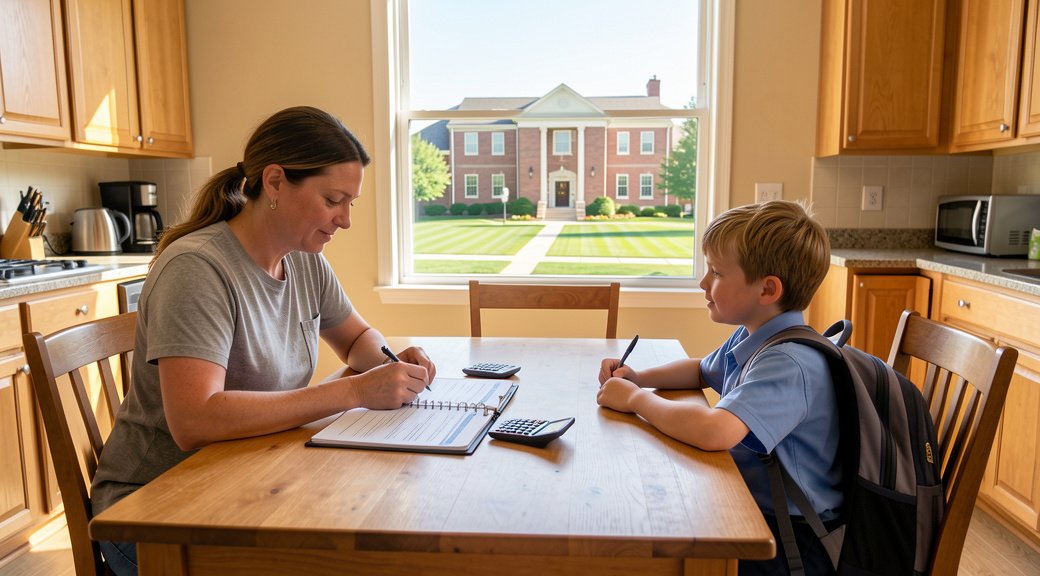
Families in Lincoln, Nebraska, who consider private education for their children often face a complex financial landscape. Between tuition, fees, uniforms, and extracurricular activities, the total cost can be surprising. Understanding the full scope of private education expenses in Lincoln, Nebraska is essential for making an informed decision that aligns with both your educational values and your household budget. This guide breaks down the specific costs, available financial aid, and practical strategies to manage these expenses effectively.
Lincoln offers a diverse range of private schools, from faith-based institutions to Montessori programs and college-preparatory academies. Each school has its own fee structure, but common patterns emerge. Annual tuition for elementary grades typically ranges from $4,000 to $9,000, while high school programs can cost between $8,000 and $15,000 per year. These figures do not include registration fees, technology fees, or costs for specialized programs like Advanced Placement courses or international baccalaureate tracks.
Many families assume that private school tuition is the only major expense. However, additional costs can add $1,000 to $3,000 annually. These include textbooks, lab fees, school uniforms, athletic equipment, music lessons, and field trips. Some schools require laptop or tablet purchases, and others have annual fundraising commitments. When you add these together, the true cost of private education in Lincoln can be 20 to 30 percent higher than the listed tuition.
Comparing Private School Costs Across Lincoln
Lincoln’s private schools vary significantly in price, and understanding the range helps families set realistic expectations. Catholic elementary schools tend to be more affordable, with tuition often between $4,000 and $6,000 per year, especially for parish members. Independent secular schools and specialized academies typically charge higher rates, reflecting smaller class sizes and enhanced facilities.
For example, a well-known college-preparatory high school in Lincoln may charge $14,000 annually for tuition alone. In contrast, a smaller religious elementary school might charge $5,000. The difference often correlates with teacher salaries, facility maintenance, and the breadth of extracurricular offerings. Parents should request a full fee schedule from each school before applying, and ask about any mandatory fees that appear after enrollment.
Another factor is geographic location within Lincoln. Schools in newer or more affluent areas may have higher operational costs, which are passed on to families. However, some schools offer transportation services for an additional fee, which can be a worthwhile investment if the school is far from your home or workplace. Comparing these logistics alongside tuition creates a more complete picture of private education expenses in Lincoln, Nebraska.
Financial Aid and Scholarship Opportunities
Private schools in Lincoln are not just for wealthy families. Many institutions offer need-based financial aid, merit scholarships, and sibling discounts. The key is to apply early and provide complete financial documentation. Most schools use a third-party service like FACTS or TADS to evaluate family income and determine aid eligibility.
Scholarship programs often reward academic achievement, artistic talent, or athletic ability. Some schools also partner with local organizations to offer tuition assistance for low-income families. The Lincoln Community Foundation and several local churches provide grant programs specifically for private school tuition. Additionally, Nebraska’s state tax credit program allows donors to contribute to scholarship-granting organizations, which then distribute funds to qualifying families.
When evaluating financial aid offers, parents should consider the renewal terms. Some scholarships are one-time awards, while others require maintaining a minimum GPA or completing community service hours. Understanding these conditions upfront prevents surprises later. For a broader perspective on managing education costs, you can explore our detailed guide on private education expenses in Downey, California, which offers comparable strategies for families in different regions.
529 Plans and Tax-Advantaged Savings
Nebraska residents have access to the NEST 529 College Savings Plan, which can be used for K-12 private school tuition up to $10,000 per year per beneficiary. This federal provision, part of the Tax Cuts and Jobs Act, allows families to withdraw funds from a 529 plan for elementary and secondary education expenses without incurring federal taxes on the earnings. Nebraska also offers a state income tax deduction for contributions, making this a powerful savings tool.
To maximize benefits, families should open a 529 plan early and contribute regularly. Even small monthly deposits add up over time. The NEST plan offers several investment options, from age-based portfolios to static allocations. Parents should consult a financial advisor to choose the right mix based on their risk tolerance and timeline. Using a 529 plan for private school tuition reduces the overall burden of private education expenses in Lincoln, Nebraska by providing tax-free growth and withdrawals.
One common mistake is assuming that 529 funds can cover all school expenses. The $10,000 annual limit applies only to tuition, not to room and board, uniforms, or transportation. Families must track their withdrawals carefully and keep receipts in case of an IRS audit. Some schools also allow prepayment of tuition, which can be funded through a 529 plan in the year the payment is made.
Hidden Costs and Budgeting Strategies
Beyond tuition and fees, private school families often encounter unexpected expenses. These include:
- School uniforms and dress code items that must be purchased from specific vendors at higher prices than generic clothing.
- Technology requirements such as laptops, tablets, or software subscriptions that are updated every few years.
- Extracurricular participation fees for sports, music, drama, or clubs that may require travel or equipment costs.
- Fundraising obligations that expect families to sell products, donate items, or contribute a minimum amount to the school’s annual fund.
To manage these costs, create a dedicated budget category for private school expenses. Track every fee from registration through the end of the school year. Many families find it helpful to set up a separate savings account for education costs and automate monthly transfers. Review the school’s parent handbook carefully for any mention of mandatory fees or volunteer hour requirements that could incur penalties if unmet.
Another strategy is to negotiate payment plans. Most private schools allow families to pay tuition in monthly installments rather than a lump sum. Some even offer discounts for paying the full year upfront. Ask the business office about any available discounts for early enrollment, multiple children, or referral of new families. These small savings can add up significantly over the course of a child’s education.
Comparing Private vs. Public Education Value
Lincoln Public Schools are highly regarded, with strong academic programs and extensive extracurricular offerings. For many families, the decision to choose private education comes down to class size, religious instruction, or specialized curricula. However, the financial trade-off is substantial. The average cost of private elementary school in Lincoln is roughly equivalent to the cost of a year of in-state college tuition at the University of Nebraska-Lincoln.
Parents should weigh the long-term financial impact. Money spent on private K-12 education could otherwise be saved for college or retirement. Some families choose a hybrid approach: using public school for elementary years and transitioning to private high school for advanced coursework and college preparation. Others enroll children in public school while supplementing with private tutoring or enrichment programs.
To make an informed comparison, request data on student outcomes from both private and public schools. Look at standardized test scores, college acceptance rates, and average scholarship awards. Visit each school and talk to current parents about their experiences. Remember that the best educational environment for your child may not be the most expensive one. The goal is to find a school that fits your child’s learning style and your family’s financial reality.
For additional insights on managing education costs in different cities, read our article about private education expenses in Fayetteville NC: a guide, which covers similar budgeting and financial aid topics that apply nationwide.
Resources for Financial Planning
Several local and national resources can help families navigate private education expenses. Lincoln’s private schools often host financial aid workshops in the spring. The Nebraska Department of Education provides a list of accredited private schools and their contact information. National organizations like the National Association of Independent Schools offer scholarship databases and financial aid calculators.
Families can also consult with a fee-only financial planner who specializes in education funding. These professionals can model different scenarios, such as using 529 plans, applying for aid, or adjusting household spending. Some employers offer tuition assistance programs that extend to K-12 education, so check with your human resources department.
Another valuable tool is the College & Tuition website, which provides comprehensive guides on education financing, college tuition information, and scholarship opportunities. The site’s resources are designed to help families compare costs, understand financial aid options, and make strategic decisions about education spending at every level.
Frequently Asked Questions
What is the average tuition for private schools in Lincoln, Nebraska?
Average tuition ranges from $4,000 to $9,000 for elementary grades and $8,000 to $15,000 for high school. Actual costs vary by school, location, and grade level. Always request a complete fee schedule from each school.
Can I use a 529 plan for private school tuition in Nebraska?
Yes. Nebraska’s NEST 529 plan allows tax-free withdrawals for K-12 tuition up to $10,000 per year per beneficiary. Contributions are also deductible from Nebraska state income tax, subject to limits.
Are there scholarships for private school in Lincoln?
Yes. Many private schools offer need-based aid, merit scholarships, and sibling discounts. Local organizations and the Lincoln Community Foundation also provide tuition assistance programs.
What hidden costs should I expect?
Common hidden costs include uniforms, technology fees, extracurricular participation fees, textbooks, lab fees, and fundraising obligations. These can add $1,000 to $3,000 annually beyond tuition.
How do I apply for financial aid?
Complete the school’s financial aid application, typically through FACTS or TADS. Submit tax returns, W-2 forms, and a statement of family assets. Apply early, as many schools distribute aid on a first-come, first-served basis.
Planning for private education expenses requires careful research and proactive financial management. Start by gathering cost information from multiple schools, exploring financial aid options, and setting up a savings plan. With the right approach, you can provide your child with a quality private school experience without compromising your long-term financial health. Lincoln offers many excellent educational choices, and with diligent planning, you can find the right fit for your family.
About the Author: Logan Parker