
On Site University Programs: Benefits Over Online Learning
On-site university programs offer immersive learning, hands-on resources, and vital networking that online formats often can’t match. Discover the key benefits for deep skill development.

By David Reynolds
In an educational landscape dominated by digital delivery, the value of a traditional, on-site university experience is being re-examined with fresh appreciation. While online and hybrid programs offer undeniable flexibility, there is an irreplaceable depth to learning that occurs within the physical confines of a campus. On-site university programs represent more than just a location; they are immersive ecosystems designed for holistic development, offering structured mentorship, spontaneous collaboration, and access to specialized resources that are difficult to replicate virtually. For students seeking not just a degree but a transformative journey, the traditional path provides a unique set of advantages that foster both academic excellence and personal growth in ways digital platforms often cannot match.
The Defining Advantages of a Physical Campus Experience
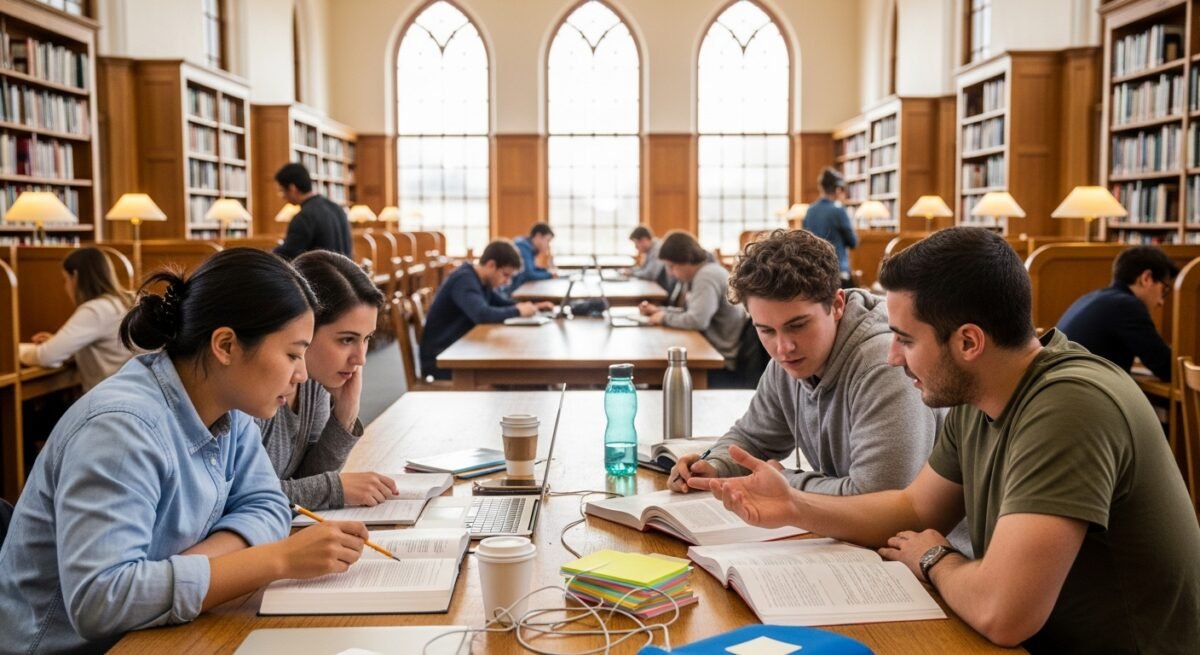
The core value proposition of on-site university programs lies in the rich, multi-sensory environment they cultivate. This environment is intentionally designed to facilitate a specific type of learning and development that extends far beyond textbook knowledge. The daily immersion in an academic community creates a powerful rhythm of intellectual engagement, where learning is not confined to scheduled class times but spills over into dining halls, libraries, study lounges, and walking paths. This constant exposure to diverse ideas and perspectives challenges students to refine their thinking and develop a more nuanced worldview.
Furthermore, the physical presence of faculty and peers creates a network of accountability and support that is qualitatively different from online interactions. The ability to walk into a professor’s office hours, to work through a complex problem on a whiteboard with a classmate, or to participate in a late-night debate in a dormitory common room fosters a level of engagement and mentorship that is often more immediate and impactful. This environment is particularly crucial for disciplines requiring hands-on skill development, such as laboratory sciences, performing arts, engineering workshops, and clinical practices, where tactile experience is paramount. For those considering alternative paths, understanding the structure of university hybrid programs can provide a useful comparison of blended learning models.
Structured Learning and Deep Skill Development
On-site programs provide a rigorous framework for developing deep, durable skills. The fixed schedule of classes, labs, and seminars imposes a discipline that helps students build time management and consistent work habits. This structured environment is especially beneficial for undergraduates who are transitioning from high school and are still cultivating the self-regulation required for success in less-scheduled formats. The synchronous nature of on-site learning ensures real-time feedback, allowing students to ask clarifying questions the moment confusion arises and to benefit from the questions posed by their peers, which often illuminate angles they hadn’t considered.
The curriculum in these programs is frequently reinforced through immediate, practical application. A lecture on sociological theory can be followed by a facilitated discussion where body language, tone, and quick rebuttals play a role. A business case study comes alive when a team has to physically gather, delegate tasks, and present their findings in front of a room. This process develops not only critical thinking but also essential professional skills like public speaking, negotiation, and collaborative problem-solving under pressure. For students exploring specialized technology fields, it’s worth researching the breadth of online university technology programs to understand all available educational formats.
Cultivating Professional Networks and Soft Skills
The incidental networking that occurs on a college campus is one of its most valuable yet underrated assets. Career fairs, club meetings, guest speaker events, and even casual interactions with alumni visiting campus provide unparalleled opportunities to build a professional network. These face-to-face connections often lead to internships, research assistant positions, and job referrals. The ‘soft skills’ honed in this environment—such as reading a room, making a confident introduction, and building rapport—are precisely what employers consistently rank as vital for career advancement.
Navigating the Investment: Cost and Logistics
Choosing an on-site program is a significant investment of both time and money, requiring careful consideration. The most apparent costs are tuition, housing, and meal plans, which typically exceed the tuition-only expense of an online degree. Additionally, students must factor in relocation costs, transportation, and potentially forgoing full-time employment. This financial commitment necessitates thorough planning and exploration of funding options.
Prospective students should meticulously research all available financial aid, including need-based grants, merit scholarships, work-study programs, and federal loans. Many universities offer generous aid packages to attract talented students to their campuses. It is also wise to investigate external scholarships and grants specific to your field of study or background. For a comprehensive listing of opportunities to help offset these costs, a valuable resource is Scholarship & Financial Aid Resources, which aggregates options for various educational pursuits. Creating a detailed budget that accounts for all four years of study can provide a realistic picture of the total investment and help in making a sound financial decision.
Who Is the Ideal Candidate for On-Site Education?
While on-site programs offer immense benefits, they are not the perfect fit for every learner. The ideal candidate is often a student who thrives on structure and direct social interaction. They are typically at a life stage where they can commit to living on or near a campus for an extended period. This path is exceptionally well-suited for recent high school graduates seeking independence and a classic ‘college experience,’ individuals pursuing degrees that demand extensive hands-on work, and those who learn best through dynamic, in-person discussion and demonstration.
Conversely, students with significant professional, familial, or geographical constraints may find the rigidity of on-site programs challenging. Adult learners already established in careers, primary caregivers, or those living in remote areas might achieve their goals more effectively through online or hybrid models. The key is self-awareness: understanding your learning style, lifestyle needs, and professional goals is crucial to selecting the right format.
To determine if you are a good fit for an on-site program, consider the following questions:
- Do I learn more effectively through direct conversation and observation than through reading or watching videos?
- Is the hands-on, tactile component of my desired field critical to my education?
- Am I in a position to relocate or commute to a campus for several years?
- Would I benefit from the structured schedule and separation of ‘academic life’ from ‘home life’?
- How important is building a broad, personal network with peers and professors to my future career?
Answering these honestly can clarify whether the immersive nature of an on-site program aligns with your personal and academic objectives.
The Enduring Value of Immersive Education
The debate between on-site and online education is not about declaring one format universally superior. It is about matching the right educational delivery method to the individual student’s needs, goals, and circumstances. For those who can engage with it, the on-site university program offers a profoundly formative experience that shapes intellect, character, and professional trajectory in a comprehensive manner. The relationships forged, the challenges overcome in a community setting, and the deep immersion in an academic culture provide intangible benefits that often yield dividends for a lifetime. In a world where digital connections are ubiquitous, the value of sustained physical presence in a community of learning retains a powerful and unique appeal for fostering the next generation of leaders, innovators, and critical thinkers.