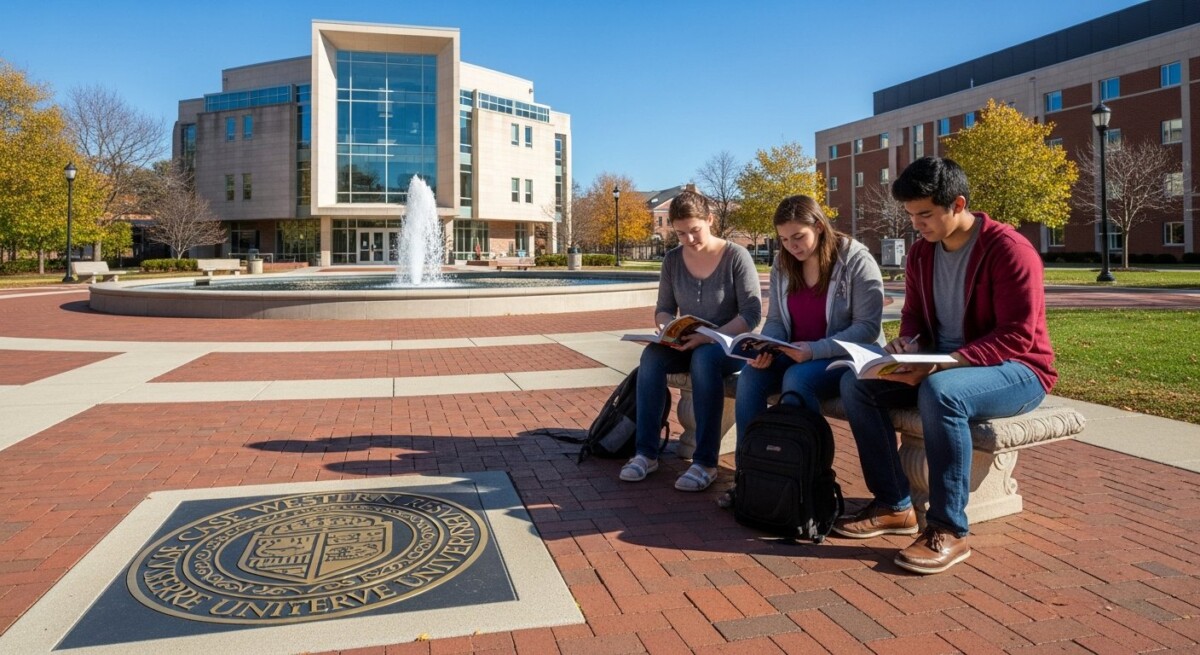
When families begin researching higher education options in Northeast Ohio, the sticker price of private colleges often causes immediate concern. Cleveland is home to several respected private institutions, including Case Western Reserve University, John Carroll University, Baldwin Wallace University, Cleveland Institute of Art, and Ursuline College. Each of these schools publishes a total cost of attendance that can exceed $60,000 per year. However, the actual amount a family pays is almost always lower than the published price. Understanding the full picture of private college expenses in Cleveland, Ohio requires looking beyond the headline numbers and examining scholarships, financial aid policies, and cost-saving strategies.
Private colleges in Cleveland compete aggressively for students, and this competition works in your favor. Most offer substantial institutional grants that reduce the net price significantly. The key is knowing how to navigate the system, compare offers, and make an informed decision. This guide walks through tuition and fee structures, room and board costs, typical financial aid packages, and practical strategies to lower your out-of-pocket expenses. Whether you are a high school junior beginning your search or a parent helping your senior compare award letters, this article provides the detail you need.
Tuition and Fees at Cleveland Private Colleges
The most visible component of private college expenses in Cleveland, Ohio is tuition. For the 2025-2026 academic year, full-time undergraduate tuition at Case Western Reserve University is approximately $64,100. John Carroll University lists tuition at around $48,500. Baldwin Wallace University charges about $39,900. Cleveland Institute of Art tuition is roughly $47,800, and Ursuline College tuition is near $37,500. These figures do not include mandatory fees, which typically add between $500 and $2,000 per year depending on the institution.
Mandatory fees cover services such as health centers, technology access, student activity programs, and campus recreation. Some schools also charge specific fees for lab courses, studio materials, or music lessons. Always review the detailed fee schedule on each college’s bursar page. When comparing costs, add tuition and mandatory fees together to get the true academic cost. This combined figure is the starting point for financial aid calculations.
Room, Board, and Living Expenses
Housing and meal plans represent the second largest piece of the cost puzzle. On-campus room and board at Case Western Reserve University runs approximately $18,500 per year. John Carroll University charges about $15,200 for a standard double room and meal plan. Baldwin Wallace University estimates room and board at $13,800. Cleveland Institute of Art and Ursuline College fall in a similar range, typically between $12,000 and $14,000. Off-campus housing can sometimes reduce costs, especially if you share an apartment with roommates, but it adds variables like utility bills, renter’s insurance, and transportation.
Beyond housing and food, students need to budget for books, supplies, transportation, and personal expenses. Books and supplies average $1,200 to $1,800 per year at Cleveland private colleges. Transportation costs vary widely depending on whether you live on campus and whether you bring a car. Personal expenses include clothing, entertainment, toiletries, and incidental health costs. Most colleges publish a standard allowance for these items in their cost of attendance, which typically ranges from $3,000 to $5,000 per year.
When calculating the total cost of attendance, add these four components together: tuition, fees, room and board, and estimated personal expenses. For a school like Case Western Reserve, the total can approach $87,000. For Baldwin Wallace, the total may be closer to $57,000. These are the numbers you see on college websites and brochures. They are real, but they are not what most families actually pay.
How Financial Aid Reduces the Sticker Price
The most important concept to grasp is the difference between the sticker price and the net price. The net price is what you actually pay after grants and scholarships are subtracted. Private colleges in Cleveland typically meet a high percentage of demonstrated financial need, and many also award merit-based scholarships to attract strong students. At Case Western Reserve, over 90% of first-year students receive some form of institutional aid. The average institutional grant at Case Western Reserve exceeds $35,000 per year. At John Carroll University, the average institutional grant is around $28,000. Baldwin Wallace awards an average of $26,000 in institutional grants and scholarships.
To qualify for need-based aid, you must submit the Free Application for Federal Student Aid (FAFSA) each year. Some private colleges also require the CSS Profile, which collects more detailed financial information. Case Western Reserve and John Carroll both require the CSS Profile for institutional aid. Baldwin Wallace and Ursuline do not require it but recommend it for certain scholarships. Completing both forms early maximizes your eligibility. The FAFSA opens on October 1 each year, and some aid is awarded on a first-come, first-served basis.
Merit-based scholarships do not depend on financial need. They reward academic achievement, test scores, leadership, talents, or specific backgrounds. For example, Case Western Reserve offers the University Scholarship (up to $25,000 per year) and the Cleveland Scholarship (for local students). John Carroll University offers the President’s Scholarship (up to $22,000) and the Magis Scholarship (up to $18,000). Baldwin Wallace has the Founders Scholarship (up to $18,000) and the University Scholarship (up to $15,000). These scholarships are often renewable each year as long as you maintain a minimum GPA and full-time enrollment.
For families exploring options beyond Cleveland, our guide on Navigating Private College Pricing in Daly, California offers additional strategies for comparing costs across regions.
Comparing Net Prices Across Cleveland Private Colleges
Net price calculators are available on every college’s website. These tools ask for basic financial information and provide an estimated net price based on your specific situation. Use them early in your research to get a realistic picture. Below are estimated net price ranges for Cleveland private colleges based on typical aid packages for students with family incomes between $60,000 and $120,000:
- Case Western Reserve University: $28,000 to $45,000 per year
- John Carroll University: $22,000 to $35,000 per year
- Baldwin Wallace University: $18,000 to $30,000 per year
- Cleveland Institute of Art: $25,000 to $38,000 per year
- Ursuline College: $16,000 to $26,000 per year
These ranges illustrate how dramatically financial aid can lower costs. A family looking at Case Western Reserve’s $87,000 sticker price might actually pay $35,000. That is still a significant investment, but it is less than half the published figure. Always run the net price calculator for each school where you apply. The results will inform your decision and help you compare offers when acceptance letters arrive.
Strategies to Lower Private College Expenses in Cleveland Ohio
Families can take several proactive steps to reduce their out-of-pocket costs at Cleveland private colleges. The first and most important step is to apply for all available scholarships, both institutional and external. Many students overlook small scholarships from local organizations, employers, or community foundations. These awards add up and reduce the amount you need to borrow. Start searching for external scholarships during junior year of high school.
Second, consider living off campus after the first year. Some colleges require first-year students to live on campus, but upperclassmen often have the option to move off campus. Renting an apartment with roommates can reduce housing costs by 20% to 40% compared to on-campus rates. Factor in utility costs, groceries, and transportation, but for many students, off-campus living is cheaper.
Third, enroll in a work-study program. Federal work-study provides part-time jobs on campus, and earnings go directly toward your expenses. The typical work-study award ranges from $2,000 to $4,000 per year. These jobs also build your resume and connect you with faculty and staff. Even if you do not qualify for federal work-study, many colleges offer campus jobs to any student.
Fourth, consider accelerated degree programs or summer courses. Some Cleveland private colleges offer three-year bachelor’s degree tracks or allow you to earn credits through summer sessions at a lower per-credit cost. Graduating early saves a full year of tuition, room, and board. This can reduce total college expenses by 20% to 25%.
Finally, negotiate your financial aid package. If you receive an acceptance letter and a financial aid offer from one school, you can appeal to another school for more aid. Write a polite letter explaining your situation and include any competing offers. Colleges want to enroll you, and they sometimes increase aid to match or beat a competitor. This process is called a financial aid appeal, and it is common. Be respectful and provide documentation.
For a detailed breakdown of costs at another mid-sized city, our article on Private College Costs in Jackson MS: Full Tuition Guide provides a useful comparison point for understanding regional differences in pricing.
Scholarships Specific to Cleveland and Northeast Ohio
Several scholarships are unique to students from Northeast Ohio or those attending Cleveland colleges. The Cleveland Scholarship Program (CSP) awards renewable scholarships to Cuyahoga County residents attending local private colleges. Awards range from $1,000 to $5,000 per year. The Nord Family Foundation Scholarship supports students from Lorain County attending Ohio colleges. The Martha Holden Jennings Foundation provides scholarships for students pursuing education or STEM fields at Ohio private colleges.
Each Cleveland private college also offers institution-specific scholarships. Case Western Reserve has the Cleveland Heritage Scholarship for students from the Cleveland Metropolitan School District. John Carroll University offers the Jesuit Heritage Award for students who attended a Jesuit high school. Baldwin Wallace has the Music Scholarship for talented musicians and the Baldwin Scholarship for students with strong community service records. Research each college’s scholarship page thoroughly and apply by the priority deadlines.
Outside scholarships from national organizations also apply. The National Merit Scholarship Program, the Coca-Cola Scholars Program, and the Elks National Foundation all award significant scholarships that can be used at any accredited college. Even if you do not win a large national award, smaller scholarships from local Rotary Clubs, credit unions, and faith-based organizations are worth pursuing. Every dollar of outside scholarship money reduces your need for loans.
Frequently Asked Questions
What is the average net price of private colleges in Cleveland?
The average net price varies by institution and family income. For families earning $60,000 to $120,000 per year, typical net prices range from $16,000 to $45,000 per year depending on the school. Use each college’s net price calculator for a personalized estimate.
Do Cleveland private colleges meet full financial need?
Case Western Reserve University meets 100% of demonstrated financial need for all admitted students. John Carroll University meets approximately 85% of demonstrated need. Baldwin Wallace University and Ursuline College meet a lower percentage but offer strong merit scholarships. Always check each school’s official policy on its financial aid website.
Can I negotiate my financial aid offer from a Cleveland private college?
Yes. Financial aid appeals are common and often successful. Write a professional letter explaining your circumstances, provide documentation of competing offers, and submit the appeal before the enrollment deadline. Be polite and specific about what you need.
Are there scholarships for out-of-state students attending Cleveland private colleges?
Yes. Most private colleges in Cleveland do not distinguish between in-state and out-of-state students for merit scholarships. Need-based aid is also available regardless of state residency. Out-of-state students should complete the FAFSA and CSS Profile on time.
How do I find external scholarships for college in Cleveland?
Start with your high school guidance office, local community foundations, and online scholarship databases like Fastweb or Scholarships.com. Also check with your parent’s employer, religious organization, and civic groups. Apply to at least 10 to 15 scholarships to increase your chances.
For more detailed information about college costs, financial aid options, and scholarship opportunities, visit college tuition information resources to compare schools and find the best fit for your budget.
Making Your Final Decision
Choosing a private college in Cleveland involves balancing academic fit, career opportunities, and cost. After you receive your financial aid offers, compare net prices rather than sticker prices. Look at the total debt you would accumulate over four years. A school that costs $30,000 per year with strong career placement may be a better investment than a school that costs $20,000 per year with weaker outcomes. Research graduation rates, average starting salaries, and graduate school placement for your intended major.
Visit the campuses if possible. Talk to current students about their experiences with financial aid offices and billing. Ask about hidden costs like lab fees, parking permits, and activity fees. Read the fine print on scholarship renewal requirements. Some scholarships require a minimum GPA of 3.0 or higher, and losing a scholarship after the first year can create financial strain.
Private college expenses in Cleveland, Ohio are substantial, but they are manageable with careful planning. By understanding the full cost structure, applying for all available aid, and using the strategies outlined here, you can attend a high-quality private institution without taking on crushing debt. Start early, ask questions, and use every tool at your disposal. Your investment in education will pay dividends for decades to come.
About the Author: Ethan Brooks