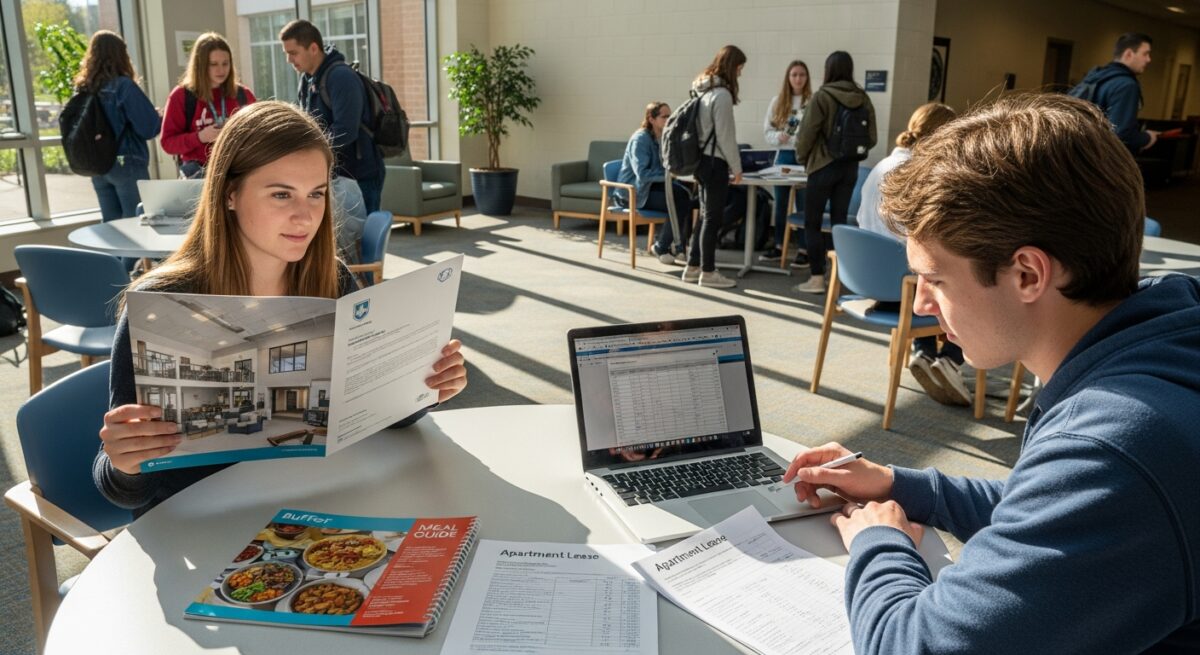
Many students imagine the cost of college only as tuition and fees. The reality is that housing, food, transportation, and utilities can make up more than half of a student’s total budget. Without a clear plan for these essential expenses, even a full-tuition scholarship can leave a student struggling to stay enrolled. Understanding how student loans for rent and living expenses work is the first step toward building a sustainable financial plan for your education.
Student loans are designed to cover the total cost of attendance, not just academic fees. This means that approved borrowers can use loan funds for off-campus rent, meal plans, groceries, utilities, and other day-to-day necessities. However, many students and families are unsure about the rules, limits, and strategies involved in using living cost education loans effectively. This guide breaks down everything you need to know about using student loans for housing expenses and everyday living costs.
How Student Loans Cover Living Expenses
When you apply for federal or private student loans, your school determines the total amount you can borrow based on the school’s official cost of attendance. This figure includes tuition and fees, books and supplies, transportation, and a standard allowance for room and board. Room and board is the portion that covers your housing and food costs. For students living on campus, this allowance often goes directly to the school for a dorm and meal plan. For off-campus students, the school issues a refund after tuition is paid, and you can use that money for rent and groceries.
It is important to understand that you cannot borrow more than the cost of attendance set by your school. This cap applies to both federal loans and most private loans. Any loan funds beyond tuition are disbursed to you as a refund, which you then manage on your own. This system gives you flexibility but also requires careful budgeting. You are responsible for making that refund last for the entire semester.
Federal Loan Limits for Living Costs
Federal student loans are the safest and most common option for covering living expenses. Direct Subsidized and Unsubsidized Loans have annual borrowing limits that depend on your year in school and dependency status. For example, a dependent first-year undergraduate can borrow up to $5,500 total per year. An independent first-year student can borrow up to $9,500. These limits cap the total amount you can take, including what goes toward tuition and what goes toward living costs.
If your federal loan limit is lower than your school’s cost of attendance, you may not be able to cover all your rent with federal loans alone. In that case, you might need to supplement with a private loan, a part-time job, or savings. The key is to borrow only what you need for necessities and to avoid using loan money for non-essential spending.
Private Loans for Housing Expenses
Private student loans from banks, credit unions, or online lenders can also be used for rent and living expenses. These loans are not capped by the federal government, but they are still limited by the school’s certified cost of attendance. Private loans often require a credit check or a cosigner. Interest rates can be variable and may be higher than federal rates. For students who have maxed out their federal loan eligibility and still need help with housing, a private loan can fill the gap. However, it is wise to exhaust federal options first because they offer more flexible repayment plans and borrower protections.
Budgeting Strategies for Loan-Funded Living
Using student loans for rent and living expenses requires a disciplined budget. A common mistake is treating the refund as extra spending money rather than a structured paycheck for the semester. To avoid running out of funds mid-semester, you should calculate your total refund amount and divide it by the number of months in the academic term. Then set aside that amount each month for rent and essential bills.
Here are some practical strategies for managing living cost education loans effectively:
- Create a semester budget before you receive any refund money. List all fixed costs like rent, utilities, and groceries. Then subtract those from your total loan refund to see what remains for discretionary spending.
- Keep your housing costs at or below 30 percent of your total monthly loan budget. If your refund is $6,000 for a five-month semester, try to keep rent at $360 per month or less.
- Open a separate bank account specifically for loan funds. This prevents you from accidentally spending rent money on other purchases.
- Consider a roommate or a more affordable living situation to stretch your loan dollars further. Every dollar saved on rent is a dollar you do not have to borrow.
Following these strategies helps you avoid the stress of coming up short before the semester ends. It also reduces the total amount you need to repay after graduation. For more detailed advice on managing off-campus housing costs, read our guide on Student Loans for Off-Campus Housing: Key Facts.
Tax Implications of Using Loans for Living Expenses
Many students do not realize that using student loans for rent and living expenses has tax implications. The IRS considers loan funds used for qualified education expenses to be tax-free. Qualified expenses include tuition, fees, books, supplies, and equipment required for enrollment. Room and board is also considered a qualified expense, but only up to the amount your school includes in its cost of attendance. If you use loan money for expenses that exceed the school’s official room and board allowance, that portion may be considered taxable income.
Another tax consideration involves the American Opportunity Tax Credit and the Lifetime Learning Credit. These credits are based on qualified education expenses paid during the year. If you use loan funds to pay for tuition, you can still claim the credit. However, if you use grant or scholarship money for tuition, you cannot double-count those expenses. Keeping clear records of how you spend your loan funds helps you maximize tax benefits and avoid errors on your return.
Alternatives to Borrowing for Living Costs
While student loans are a common solution, they are not the only way to cover housing expenses. Relying entirely on loans for living costs increases your total debt burden significantly. Exploring alternatives can help you graduate with less financial stress. One strong option is a work-study program. Federal work-study provides part-time jobs on or near campus, and the earnings are intended to help with personal expenses. Unlike loans, work-study money does not need to be repaid.
Other alternatives include scholarships that specifically cover room and board, living at home with family to eliminate rent entirely, or taking on a part-time job outside of work-study. Even a few hundred dollars in monthly income from a job can reduce the amount you need to borrow for rent. Some schools also offer emergency grants or housing assistance for students facing financial hardship. If you are struggling to afford your current living situation, contact your school’s financial aid office to ask about additional options.
For students who need to explore all available resources, including connecting with sponsored programs that match your needs, consider using CollegeDegree.School to find schools that offer affordable housing options or financial aid packages tailored to your situation.
Frequently Asked Questions
Can I use student loans to pay for off-campus apartment rent?
Yes. If your loan refund exceeds your tuition and fees, you can use that refund to pay for off-campus rent. The refund is based on your school’s cost of attendance, which includes a room and board allowance for off-campus students.
How much can I borrow for living expenses with federal loans?
The amount depends on your year in school and dependency status. Dependent undergraduates can borrow between $5,500 and $7,500 per year. Independent students and parents of dependent students can borrow more. Your school will not certify a loan that exceeds the total cost of attendance.
Do I have to pay taxes on loan money used for rent?
Loan funds used for qualified education expenses, including room and board up to the school’s allowance, are not taxable. If you use loan money for non-qualified expenses, that portion may be taxable. Consult a tax professional for your specific situation.
What happens if I run out of loan money before the semester ends?
If you exhaust your loan refund early, you may need to rely on savings, a job, or family support to cover remaining expenses. Some schools offer emergency loans or grants. To avoid this situation, create a strict budget and stick to it from the start of the term.
Can international students use loans for living expenses?
International students generally cannot access federal student loans. However, some private lenders offer loans to international students with a U.S. cosigner. These loans can be used for living expenses as long as the total does not exceed the school’s cost of attendance.
Using student loans for rent and living expenses is a legitimate and often necessary part of financing a college education. The key is to approach it with a clear understanding of the rules, a realistic budget, and a long-term view of your debt. By borrowing only what you need, exploring alternatives when possible, and managing your refund carefully, you can cover your basic needs while keeping your future repayment burden manageable. Always verify your school’s specific policies and consult your financial aid office for personalized guidance.
About the Author: Ethan Brooks